

Last January, a Minneapolis homeowner I know spent $1,900 on emergency water damage because a single ice dam went unnoticed for six days. The fix cost less than $300 in November. That gap between a cheap fix now and an expensive repair later is the whole story of owning a house in a four-season climate, and it’s why I keep a laminated checklist taped inside my utility closet.
If you live anywhere in the Twin Cities metro, your house takes a specific beating between November and March: freeze-thaw cycles, heavy snow loads, and dry indoor air that quietly wrecks wood and caulk. This guide walks you through the tasks that actually prevent damage, the ones you can skip, and how to decide when a job is a weekend project versus a call to a handyman minneapolis homeowners trust for the stuff that needs a ladder and a truck.
I’ve owned two older houses here, and every fall I run the same routine. It takes a Saturday. It has saved me thousands. Skip it and you’ll meet your deductible instead.
Why Winter Hits Minnesota Homes Harder Than Most
Cold isn’t the real enemy. Water is. Snow melts on a warm roof, refreezes at the eaves, and backs up under your shingles. That’s an ice dam, and it’s the single most common cause of winter water damage in the upper Midwest. According to the National Weather Service, the Twin Cities routinely swing between freezing and thawing temperatures through the winter, and those swings are exactly what drive ice dam formation.
Meanwhile, your furnace runs almost nonstop. Your indoor humidity drops into the teens. Wood floors gap, trim separates from walls, and caulk lines crack. None of it is dramatic on its own. Together, they turn a comfortable house into a slow-motion maintenance problem.
Here’s my honest take: most homeowners focus on heating bills and ignore moisture entirely. That’s backwards. Moisture does the expensive damage.
The Fall Checklist That Prevents 90 Percent of Winter Problems
Run this in October or early November, before the first hard freeze. Once the ground locks up and the snow flies, half of these become emergency calls instead of routine ones.
- Clean the gutters. Clogged gutters are the number one accelerant for ice dams. Clear them after the leaves drop, then check again after the last storm.
- Shut off exterior water. Drain and disconnect every hose bib. A burst pipe inside a wall is a five-figure repair.
- Replace the furnace filter. A dirty filter makes your furnace work harder in the exact months it can least afford to fail.
- Seal the gaps. Walk the exterior and re-caulk around windows, doors, and utility penetrations. Cold air finds every crack.
- Test smoke and carbon monoxide detectors. Two minutes, and non-negotiable with a furnace running daily.
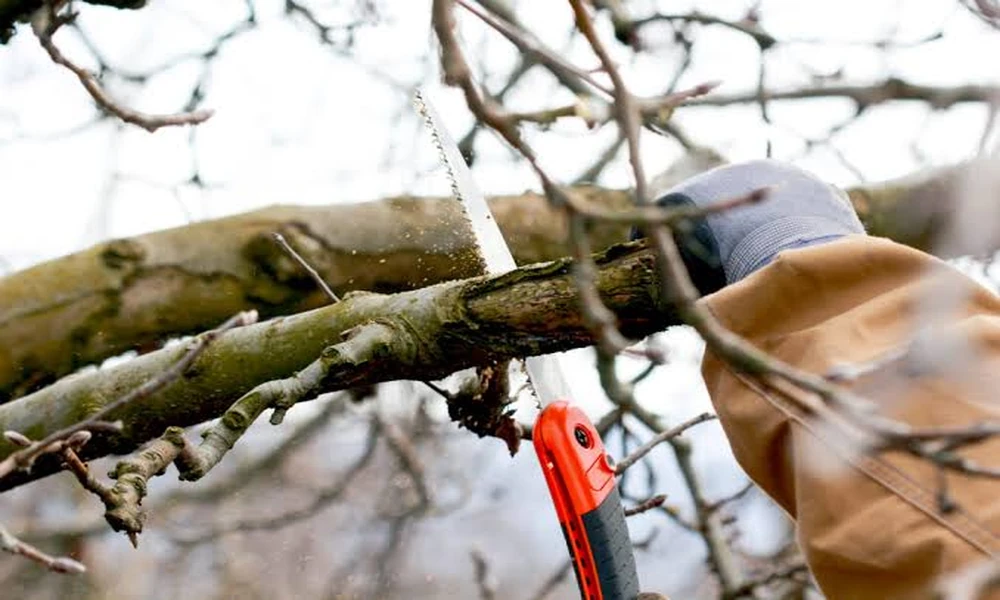
- Trim branches near the roof. Ice-loaded limbs snap. You don’t want one landing on your shingles.
- Check the attic insulation. If warm air is escaping through the ceiling, your roof stays warm and the ice dams get worse.
Where Does Your Money Go Furthest?
Not every dollar spends equally. If you only do three things, do these: clean the gutters, improve attic insulation, and seal air leaks. Those three attack ice dams and heating costs at the same time. According to the U.S. Environmental Protection Agency’s ENERGY STAR program, sealing air leaks and adding insulation are among the most cost-effective home improvements a homeowner can make, and in a climate like ours the payoff shows up fast on the gas bill.
What I’d skip? Fancy de-icing cables draped across the roof edge. They work in narrow conditions and often cost more to run than the damage they prevent. If your attic is properly insulated and vented, you rarely need them. Fix the cause, not the symptom.
A Quick Decision Guide: DIY or Call Someone?
Here’s my rule of thumb, built from a few winters of learning the hard way.
| Task | Do It Yourself | Call a Pro |
|---|---|---|
| Gutter cleaning on a one-story home | Yes, with a ladder and a helper | Two stories or steep pitch |
| Replacing furnace filters | Always | Never |
| Caulking exterior gaps | Reachable spots | Anything above the first floor |
| Ice dam removal | Never | Always, roof damage is real |
| Attic insulation | Open, easy-access attics | Low clearance or old wiring |
| Furnace repair | Never | Always, it’s a gas appliance |
The pattern is simple. If it involves heights, gas, or tearing into a wall, hand it off. If it’s a filter, a caulk gun, or a leaf rake, keep it.
Midwinter Checks Nobody Remembers
Winter isn’t one event. It’s a season, and your house keeps changing underneath you. Set a phone reminder for the first of each month from December through March and run this short list.
- Look at the ceiling and attic for brown stains after any big snowfall. That’s your early warning for an ice dam.
- Check the furnace filter again. In a house with pets, monthly is not overkill.
- Shovel around your furnace and water heater vents. A buried exhaust vent is a carbon monoxide risk.
- Run a bathroom fan longer than usual. Trapped moisture feeds mold in a sealed-up winter house.
- Walk the basement after every thaw. Small leaks announce themselves before they get big.
Standards bodies like the National Institute of Standards and Technology publish building performance research that consistently ties moisture control to structural longevity, which is a fancy way of saying dry houses last longer. Your monthly walkthrough is you doing that same work at home, for free.
What This Actually Costs You
Let’s put it in real numbers, roughly, from my own receipts. A Saturday of fall prep costs you a filter, a tube of caulk, and your time. Maybe $40. A professional gutter cleaning and small repair visit runs a couple hundred dollars. An ice dam that turns into ceiling damage and mold remediation starts around $2,000 and climbs from there.
The math never favors waiting. That’s the part people get wrong. They think maintenance is an expense. It’s insurance you actually control.
The Bottom Line
Your house in the Twin Cities doesn’t need you to be handy. It needs you to be early. Clean the gutters before the freeze, seal what you can reach, watch the ceiling after every snow, and hand off anything involving a ladder taller than you’re comfortable with. Do that and winter becomes a season you enjoy instead of one you survive. Pull up your calendar right now and block a Saturday in October. Your future self, standing in a dry basement in February, will thank you.